- English
- Español
- Português
- русский
- Français
- 日本語
- Deutsch
- tiếng Việt
- Italiano
- Nederlands
- ภาษาไทย
- Polski
- 한국어
- Svenska
- magyar
- Malay
- বাংলা ভাষার
- Dansk
- Suomi
- हिन्दी
- Pilipino
- Türkçe
- Gaeilge
- العربية
- Indonesia
- Norsk
- تمل
- český
- ελληνικά
- український
- Javanese
- فارسی
- தமிழ்
- తెలుగు
- नेपाली
- Burmese
- български
- ລາວ
- Latine
- Қазақша
- Euskal
- Azərbaycan
- Slovenský jazyk
- Македонски
- Lietuvos
- Eesti Keel
- Română
- Slovenski
- मराठी
- Srpski језик
- 简体中文

How Does a Supplement Device for Sewing Improve Production Efficiency?
Abstract
A Supplement Device for Sewing plays a critical role in modern garment manufacturing by improving stitching precision, reducing manual workload, and increasing overall production efficiency. As fashion production becomes more competitive and customization-driven, manufacturers are under pressure to deliver faster output without sacrificing quality. This article explores how these devices function, their types, benefits, selection criteria, and maintenance requirements. It also highlights how HD provides reliable Supplement Device for Sewing solutions designed for industrial scalability and operational stability.
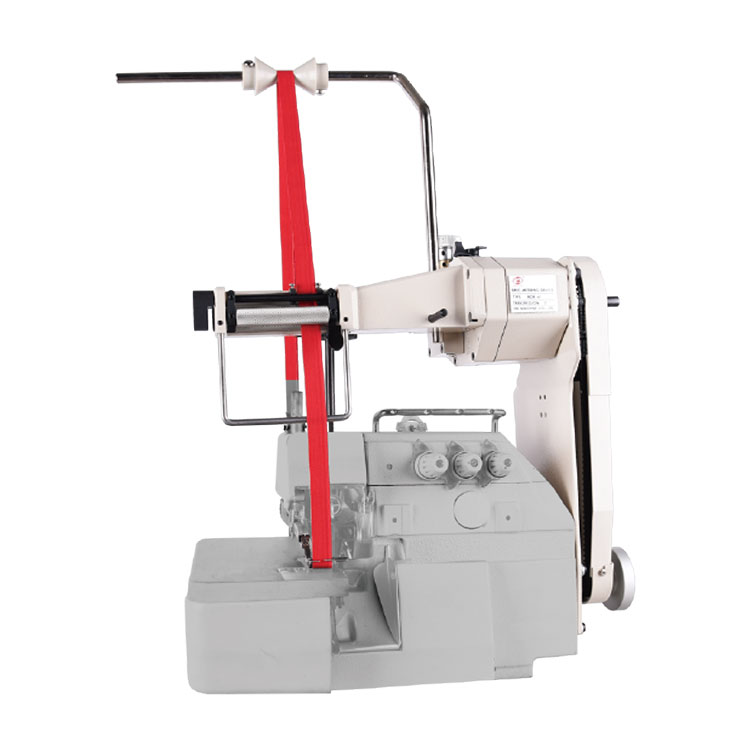
Table of Contents
- Abstract
- Article Outline
- What is a Supplement Device for Sewing?
- Why It Matters in Garment Manufacturing
- Types of Supplement Devices
- How a Supplement Device Works
- Key Benefits
- How to Choose the Right Device
- Maintenance Guidelines
- Common Challenges and Solutions
- Frequently Asked Questions
Article Outline
- Introduction to sewing automation support equipment
- Role of Supplement Device for Sewing in production lines
- Classification of devices used in garment workshops
- Operational principles and integration with sewing machines
- Efficiency, accuracy, and labor optimization advantages
- Key purchasing and evaluation considerations
- Maintenance strategies for long-term performance
- Industry challenges and troubleshooting methods
- Practical FAQs for manufacturers and technicians
What is a Supplement Device for Sewing?
A Supplement Device for Sewing is an auxiliary mechanical or electromechanical component designed to assist sewing machines in handling fabric more efficiently. These devices help stabilize material feeding, regulate stitching consistency, and reduce human intervention during repetitive sewing tasks. In industrial environments, HD integrates these devices into production workflows to ensure smoother fabric handling and higher output consistency.
Unlike standard sewing attachments, supplement devices are engineered to address specific production challenges such as uneven feeding, fabric slippage, or inconsistent stitch alignment. Their use is particularly important in high-volume garment manufacturing.
Why It Matters in Garment Manufacturing
The garment industry demands speed, precision, and cost efficiency. Without auxiliary devices, operators often face fatigue, inconsistent stitching, and material wastage. A Supplement Device for Sewing helps overcome these limitations by automating or stabilizing key sewing processes.
- Reduces operator fatigue in continuous production lines
- Improves stitching consistency across batches
- Minimizes fabric waste caused by misalignment
- Enhances machine productivity without replacing core equipment
HD emphasizes these advantages by designing devices that integrate seamlessly into existing sewing systems without requiring major infrastructure changes.
Types of Supplement Devices for Sewing
There are multiple types of Supplement Device for Sewing solutions used across different production environments:
| Type | Function | Application |
|---|---|---|
| Fabric Guide Device | Maintains straight fabric feeding | Shirt collars, straight seams |
| Automatic Edge Trimmer | Trims excess fabric during stitching | Denim and heavy garments |
| Thread Tension Regulator | Ensures uniform thread tightness | Fine stitching operations |
| Positioning Assist Device | Aligns fabric before stitching | Pattern-based production |
HD provides a wide range of supplementary systems tailored for both lightweight and heavy-duty sewing operations.
How a Supplement Device Works
A Supplement Device for Sewing works by integrating mechanical precision components with the sewing machine’s feed system. Depending on the type, it may use rollers, sensors, guides, or automated cutters.
For example, a fabric guide device ensures that material enters the needle zone at a consistent angle, while a tension regulator adjusts thread resistance in real time. In advanced configurations provided by HD, sensors detect fabric thickness variations and automatically adjust feeding pressure.
This synergy between machine and supplement device significantly reduces operator dependency and improves process stability.
Key Benefits of Supplement Device for Sewing
- Increased Efficiency: Faster production cycles with reduced manual correction
- Higher Precision: Consistent stitch alignment and reduced defects
- Labor Optimization: Less reliance on highly skilled operators
- Cost Reduction: Lower material wastage and rework rates
- Scalability: Suitable for both small workshops and large factories
HD integrates these benefits into its engineering philosophy, ensuring that each Supplement Device for Sewing delivers measurable production improvements.
How to Choose the Right Supplement Device
Selecting the right Supplement Device for Sewing depends on production needs, fabric type, and machine compatibility. Below are key considerations:
- Fabric Type: Lightweight vs. heavy-duty materials require different device configurations
- Machine Compatibility: Ensure integration with existing sewing systems
- Production Volume: High-output lines require automated solutions
- Maintenance Requirements: Choose devices with easy servicing options
HD offers consultation support to help manufacturers select optimized configurations based on their workflow demands.
Maintenance Guidelines
Proper maintenance ensures long-term performance of Supplement Device for Sewing systems. Key practices include:
- Regular lubrication of moving parts
- Inspection of alignment mechanisms
- Cleaning dust and fabric residue after shifts
- Checking sensor calibration in automated devices
HD recommends scheduled preventive maintenance to minimize downtime and extend equipment lifespan.
Common Challenges and Solutions
Despite their advantages, Supplement Device for Sewing systems may encounter operational challenges:
- Misalignment Issues: Solved through recalibration and proper installation
- Wear and Tear: Addressed by routine replacement of consumable parts
- Compatibility Problems: Prevented through pre-installation machine assessment
HD provides technical support to ensure these issues are quickly resolved, minimizing production disruption.
Frequently Asked Questions
Q1: What is the main purpose of a Supplement Device for Sewing?
A: It enhances sewing machine performance by improving fabric handling, stitch accuracy, and production efficiency.
Q2: Can it be used with all sewing machines?
A: Most devices are designed for compatibility, but proper assessment is required before installation.
Q3: Does it reduce labor requirements?
A: Yes, it reduces manual intervention and allows operators to focus on quality control rather than repetitive adjustments.
Q4: How often should maintenance be performed?
A: Maintenance frequency depends on usage intensity, but routine inspection is recommended after every production cycle.
Q5: Why choose HD Supplement Device for Sewing solutions?
A: HD provides durable, precision-engineered systems designed to improve production efficiency and reduce operational costs.
Conclusion
A Supplement Device for Sewing is no longer a secondary accessory but a core productivity enhancer in modern textile manufacturing. By improving consistency, reducing labor strain, and optimizing machine performance, it directly impacts profitability and operational stability. With engineering expertise and industry-focused design, HD delivers reliable solutions that support both small-scale workshops and large production facilities.
For manufacturers seeking to upgrade their sewing efficiency and reduce operational bottlenecks, HD provides tailored solutions designed for real production environments. Contact us today to explore how HD Supplement Device for Sewing systems can transform your manufacturing workflow.