- English
- Español
- Português
- русский
- Français
- 日本語
- Deutsch
- tiếng Việt
- Italiano
- Nederlands
- ภาษาไทย
- Polski
- 한국어
- Svenska
- magyar
- Malay
- বাংলা ভাষার
- Dansk
- Suomi
- हिन्दी
- Pilipino
- Türkçe
- Gaeilge
- العربية
- Indonesia
- Norsk
- تمل
- český
- ελληνικά
- український
- Javanese
- فارسی
- தமிழ்
- తెలుగు
- नेपाली
- Burmese
- български
- ລາວ
- Latine
- Қазақша
- Euskal
- Azərbaycan
- Slovenský jazyk
- Македонски
- Lietuvos
- Eesti Keel
- Română
- Slovenski
- मराठी
- Srpski језик
- 简体中文

How Does a Puller Sew Machine Improve Sewing Efficiency?
Summary
Puller sew machines have revolutionized the garment and textile industry by improving productivity, consistency, and overall sewing quality. In this article, we will explore the core features of puller sew machines, their benefits, common challenges faced by operators, and how selecting the right machine from Xia men Hd machine Co.,ltd can enhance your production line.
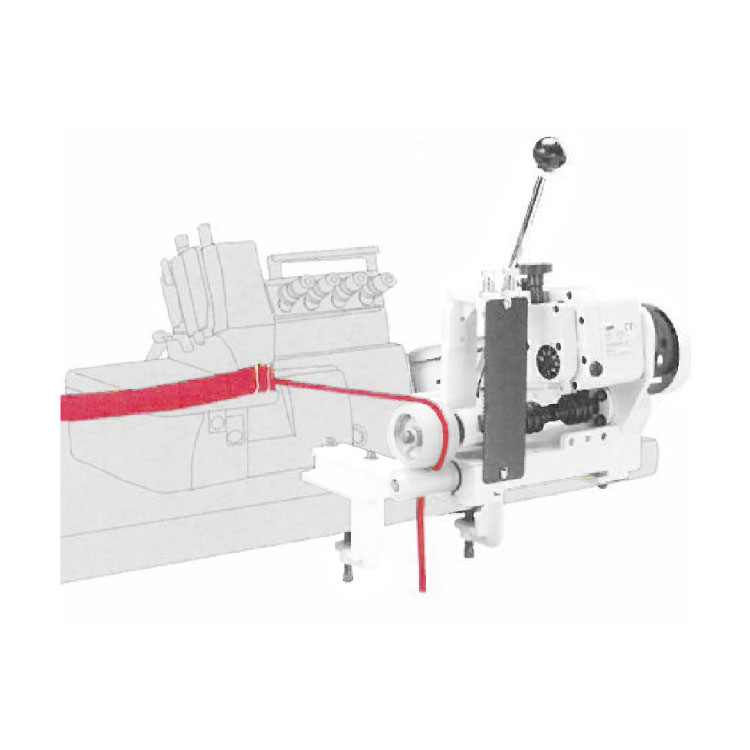
Table of Contents
What is a Puller Sew Machine?
A puller sew machine is a specialized sewing machine designed to automate and optimize the fabric feeding process. Unlike traditional sewing machines where operators manually guide the fabric, puller sew machines use motorized feed systems that “pull” the fabric evenly through the needle. This ensures precise stitching, reduces fabric distortion, and increases sewing speed.
These machines are particularly popular in industries where high-volume production is necessary, such as garment manufacturing, leather goods, and upholstery. By maintaining consistent fabric tension, puller sew machines reduce material waste and lower the margin for human error.
Key Features and Advantages
Understanding the features of puller sew machines helps businesses make informed decisions. Below is a breakdown of the main advantages:
- Automated Fabric Feeding: Ensures uniform stitching and prevents material puckering.
- High Speed: Can operate faster than manual feeding, increasing production output.
- Consistent Stitch Quality: Maintains even stitch length and tension across various fabric types.
- Reduced Operator Fatigue: Less manual effort required, improving workforce efficiency.
- Compatibility: Works with multiple fabric types, from lightweight textiles to thick leather.
- Durable Design: Engineered for continuous industrial use with minimal maintenance.
To give you a clearer perspective, here's a comparison table between traditional sewing machines and puller sew machines:
| Feature | Traditional Sewing Machine | Puller Sew Machine |
|---|---|---|
| Fabric Feeding | Manual | Automated |
| Stitch Consistency | Variable | High |
| Speed | Moderate | High |
| Operator Fatigue | High | Low |
| Material Waste | Moderate | Low |
Common Operational Issues
Even with advanced technology, puller sew machines can face operational challenges. Being aware of these issues allows businesses to prevent downtime and maintain production quality.
- Improper Fabric Alignment: Misalignment can cause uneven stitches. Regular calibration of the feed mechanism is essential.
- Maintenance Needs: Lack of lubrication or cleaning can reduce machine efficiency.
- Thread Tension Problems: Incorrect tension settings may result in skipped stitches or thread breakage.
- Operator Training: Workers need to understand machine controls to maximize benefits.
Proactive maintenance schedules, proper staff training, and adherence to operational manuals minimize these issues, ensuring smooth workflow.
How to Choose the Right Puller Sew Machine
Selecting the correct puller sew machine requires consideration of your production requirements, fabric types, and budget. Here are the key factors to evaluate:
- Production Volume: High-volume operations require robust machines with higher motor power.
- Fabric Compatibility: Ensure the machine can handle your primary material types without causing damage.
- Stitching Requirements: Consider stitch length, width, and patterns required for your products.
- Ease of Maintenance: Machines with accessible parts and clear maintenance instructions reduce downtime.
- Supplier Reliability: Working with trusted companies, like Xia men Hd machine Co.,ltd, ensures quality support and spare part availability.
By comparing models based on these criteria, businesses can select a puller sew machine that aligns perfectly with their operational goals.
Frequently Asked Questions
-
Q: Can puller sew machines work with leather?
A: Yes, industrial puller sew machines are designed to handle thick materials such as leather without compromising stitch quality. -
Q: How often should the machine be maintained?
A: Daily cleaning and lubrication every 2-4 weeks, depending on usage, is recommended to maintain optimal performance. -
Q: Can one operator manage multiple machines?
A: Depending on the machine model and complexity, a skilled operator may oversee more than one machine, but it is ideal to assign dedicated personnel for high-volume production. -
Q: What is the typical lifespan of a puller sew machine?
A: With proper maintenance, these machines can last 10+ years in industrial environments.
Conclusion
Puller sew machines represent a significant step forward in industrial sewing, offering higher efficiency, improved stitch quality, and reduced material waste. Selecting the right machine from a reputable manufacturer such as Xia men Hd machine Co.,ltd ensures that your production process is optimized for both speed and reliability.
To explore our range of puller sew machines and find the perfect solution for your business, contact us today. Our team is ready to provide guidance, product details, and support tailored to your manufacturing needs.